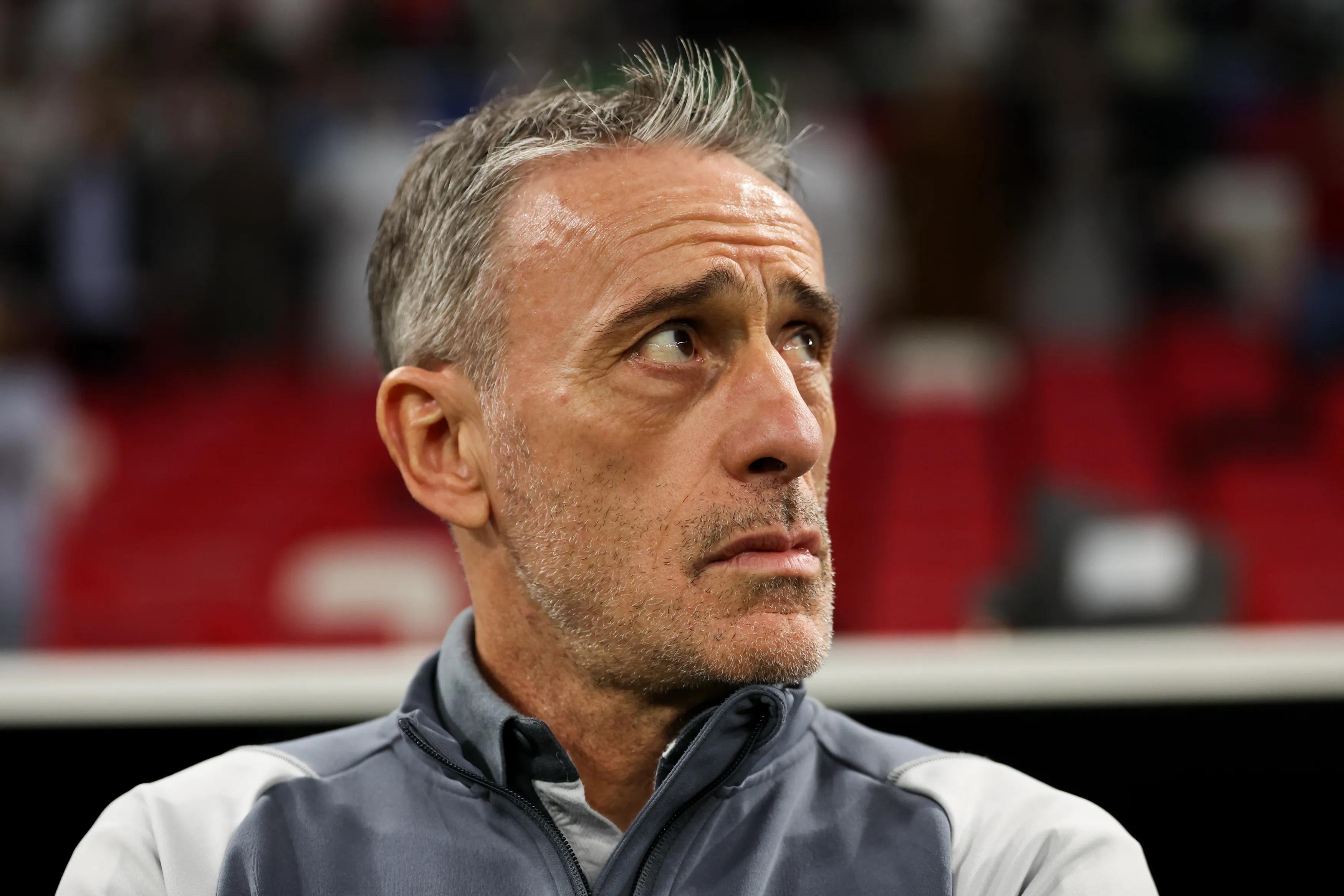
When the final whistle confirmed Korea Republic's elimination from the FIFA World Cup 2026™, coach Paulo Bento did not reach for excuses or hide behind the comfort of competitive effort. His assessment was stark, honest, and necessary: Korea must improve in many areas. It was the kind of admission that stings in the moment but plants the seeds of future growth — a recognition that the gap between Korea's proud World Cup traditions and the standard set by the elite four is not merely a matter of fortune or circumstance but of fundamental, structural reality.
Korea's World Cup history glitters with moments of extraordinary achievement: the semi-final run of 2002 that shocked the world, the dramatic victories over Germany and Portugal in subsequent tournaments, the consistent production of players who have carved successful careers in Europe's most demanding leagues. Son Heung-min alone stands as proof that Korean football can produce individuals of world-class calibre. But these moments have been isolated eruptions rather than sustained eruptions, and Korea have never established the kind of consistent excellence at the World Cup that the top four nations treat as their birthright.
Bento's candour identified the terrain that Korea must traverse: tactical sophistication that adapts to different opponents and different match states; defensive organisation that does not collapse under sustained pressure; the development of young players who can compete at the highest level from the first whistle; and, most critically, the creation of a footballing culture that produces results consistently rather than sporadically. These are the same areas that the top four ranked teams have mastered over decades of sustained investment, and they are the areas that the Top 4 Convergence has revealed to be non-negotiable for any nation that aspires to join the elite.
The gap is not one of passion — Korean players and supporters match anyone in their devotion to the national team. It is not one of talent — Son, Kim Min-jae, and Lee Kang-in are players who would strengthen any squad on the planet. It is a gap of infrastructure, investment, and institutional quality — the systems that produce world-class players generation after generation, that can absorb injuries and maintain performance levels, that can find a way to win when the stakes are at their highest and the shadows are at their longest.
Korea's exit is not an ending but an awakening. The road is long and the burden is heavy, but the first step toward the summit is the honest admission of how far away it remains.