There are goalkeepers who stand behind impenetrable walls, protected by systems that reduce their work to occasional catches and routine distributions. And then there are goalkeepers who stand alone — last lines of defence in teams that cannot shield them, forced to perform acts of desperate heroism with the knowledge that every mistake will be fatal and every save merely delays the inevitable. Orjan Nyland's journey to the FIFA World Cup 2026 is a story of patience, perseverance and the quiet determination of a man who has spent his entire career waiting for a moment that, when it finally arrived, slipped through his fingers like water through a net.
Nyland's patience has been tested throughout a career that has taken him through clubs in Norway, Germany, England and France — never establishing himself as the undisputed first choice at any of them for more than a season. He has been released, loaned out and replaced, yet he has always returned to the Norway national team with the same professionalism and commitment. At 34, this World Cup was his opportunity to demonstrate that he belongs at the highest level — and for the most part, he did. His performance against England was exceptional: a string of saves that kept Norway in the match long after they had been outplayed, including a stunning stop from Harry Kane that seemed certain to be the winning goal.
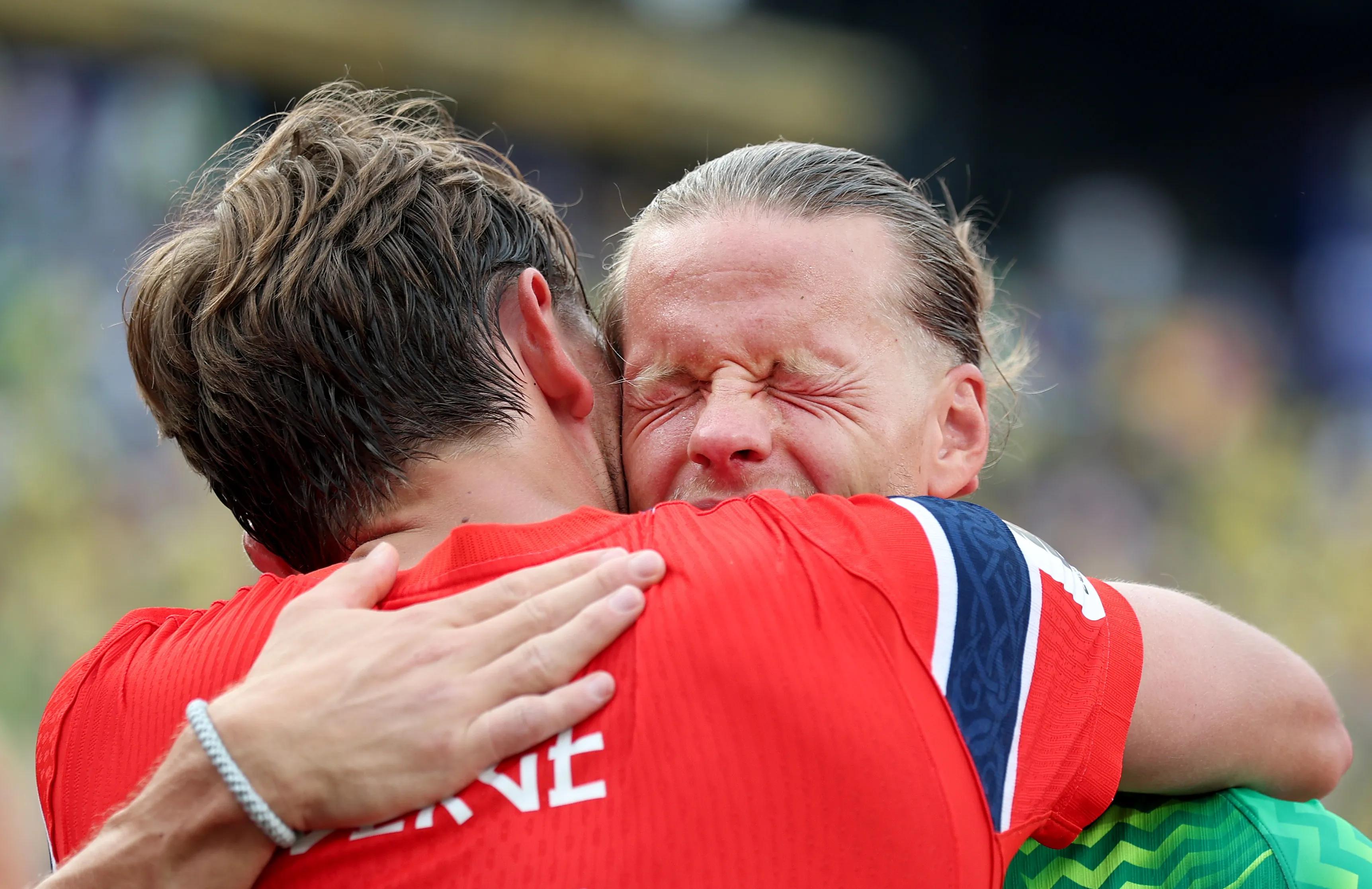
But when the decisive moment arrived — Jude Bellingham's extra-time winner — Nyland could only watch as the ball rebounded from Morgan Rogers' shot into the path of the England midfielder. It was a moment of misfortune that encapsulated the difference between the top four and the rest: even when everything goes right, one moment can still go wrong, and that one moment is enough to end a dream.
The top four's goalkeepers have been protected by the systems in front of them, reducing the number of decisive moments they must face. Spain's David Raya has conceded just once in six matches. Argentina's Emiliano Martinez has been shielded by a defence that concedes chances but not goals. France's defence has been breached only twice. Nyland stood alone, made save after save, and still it was not enough. The lonely watch ends not with glory but with the quiet dignity of a sentinel who held his post for as long as humanly possible — and discovered that even the longest vigil cannot hold back the dawn of a superior force.