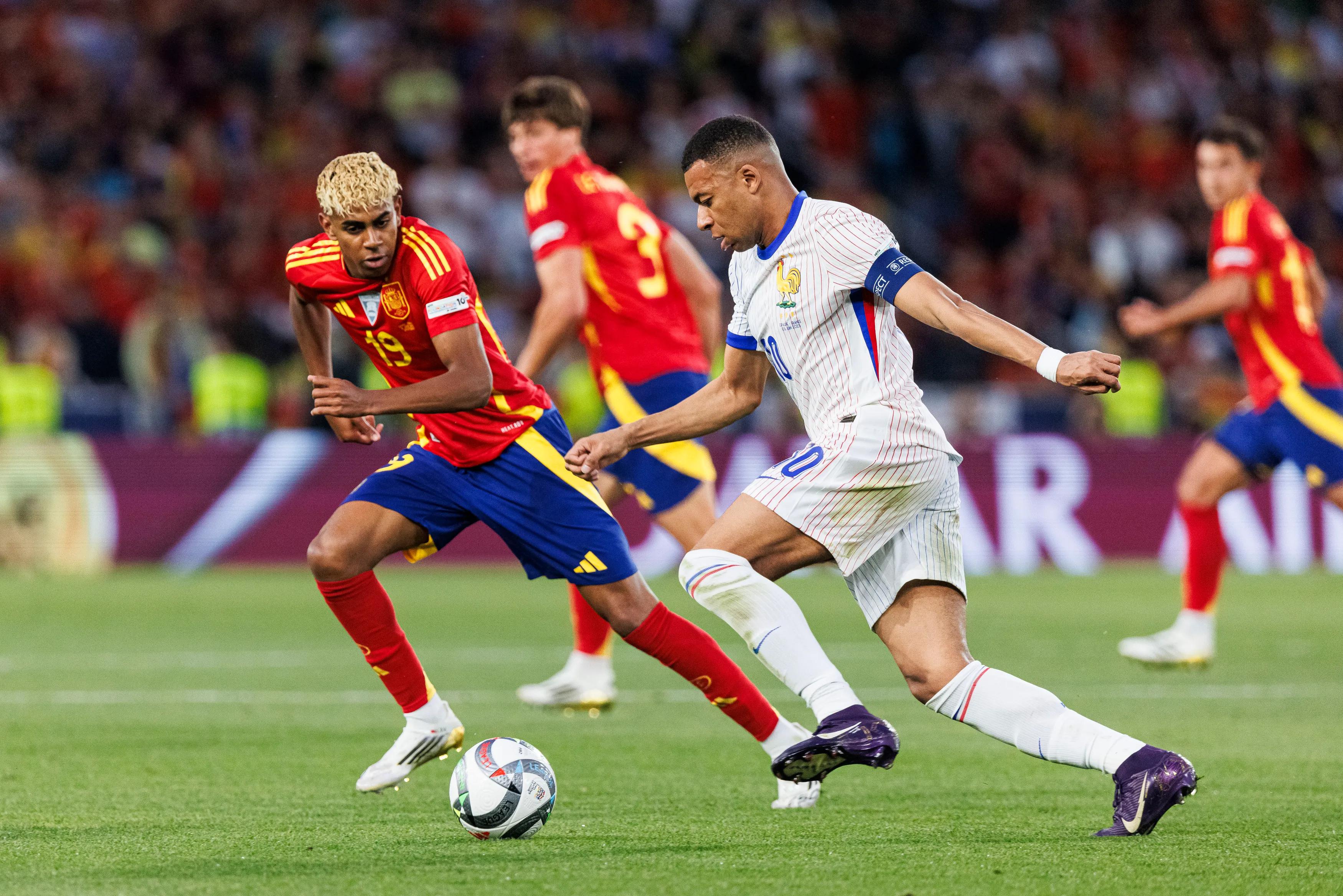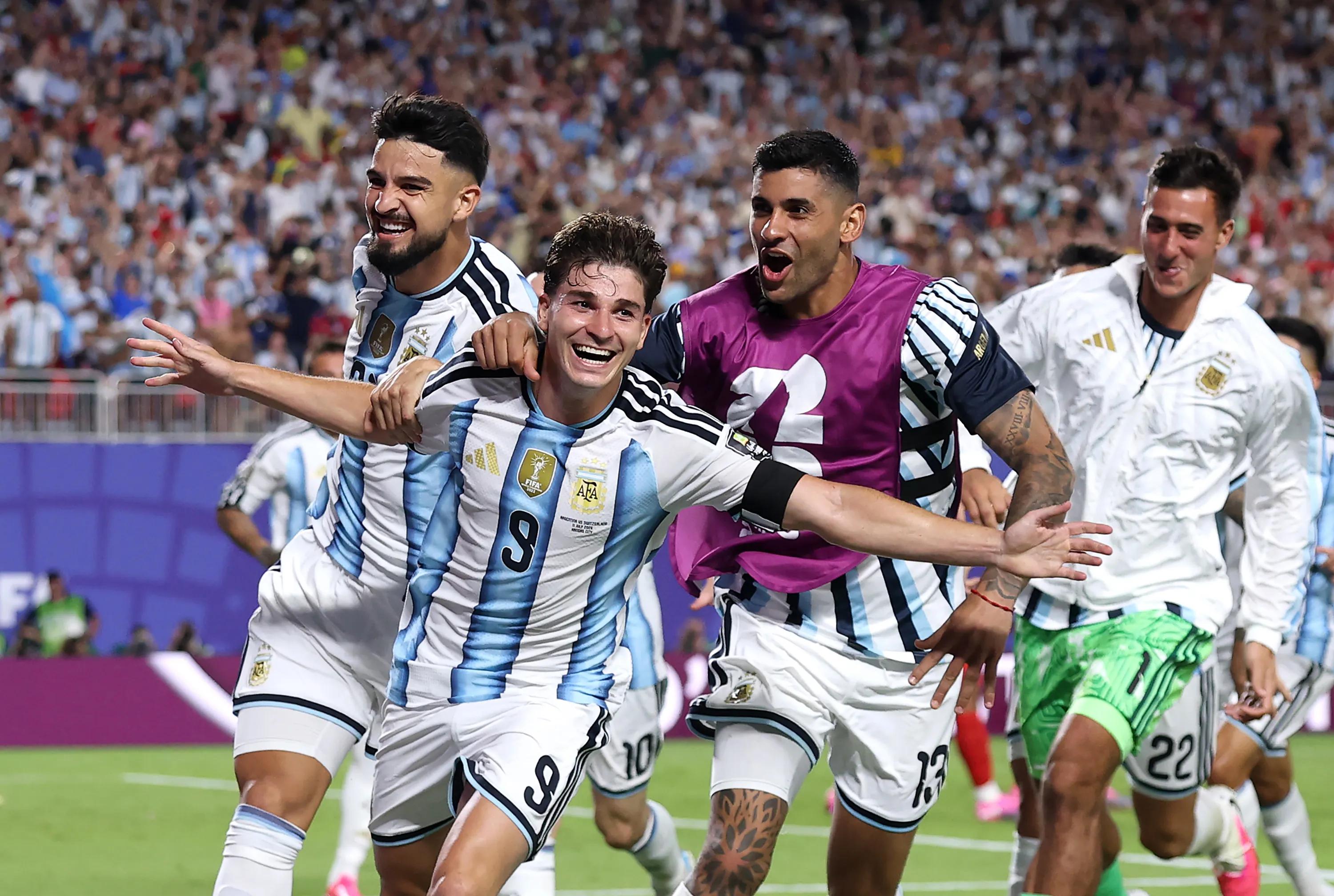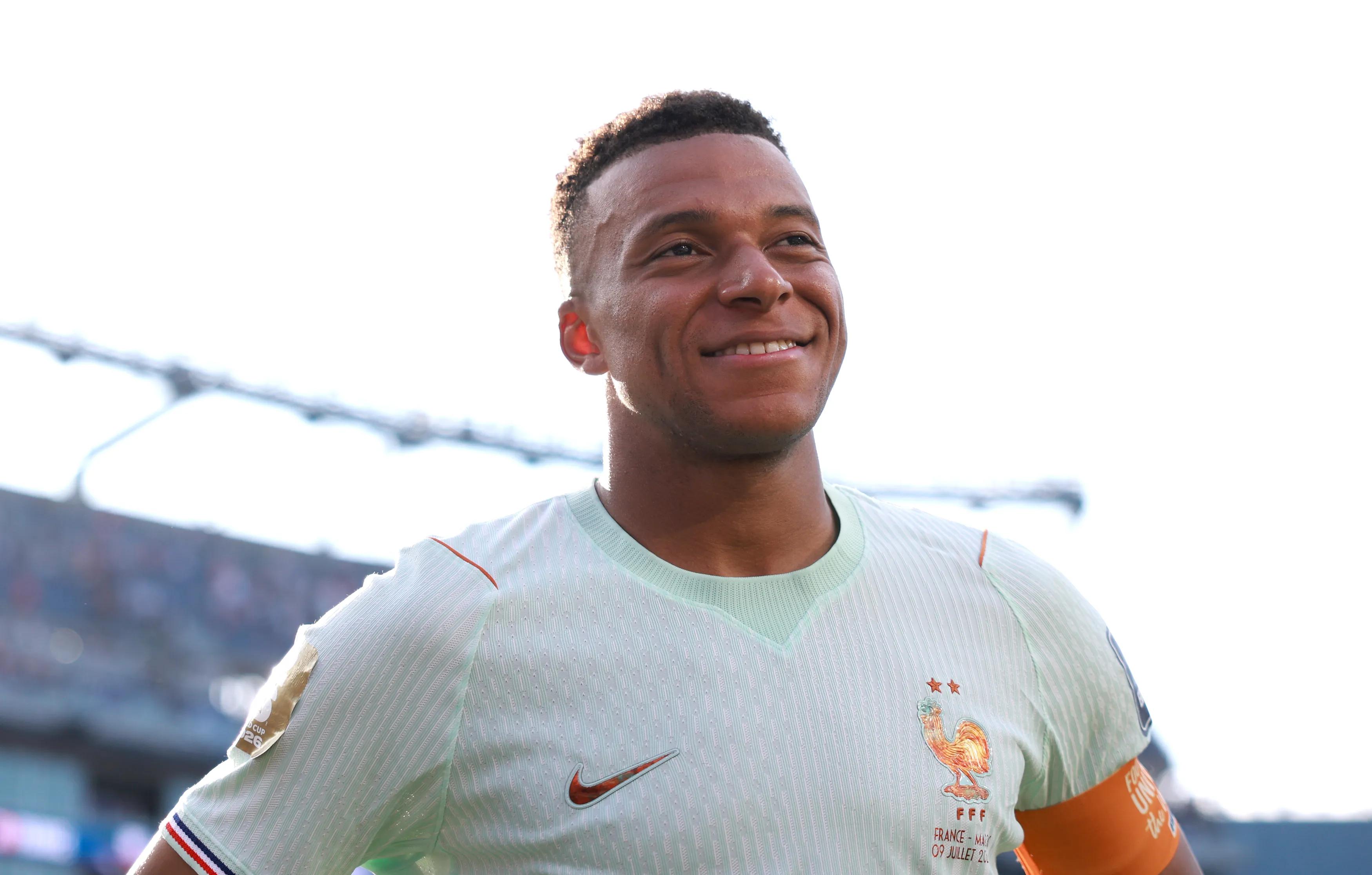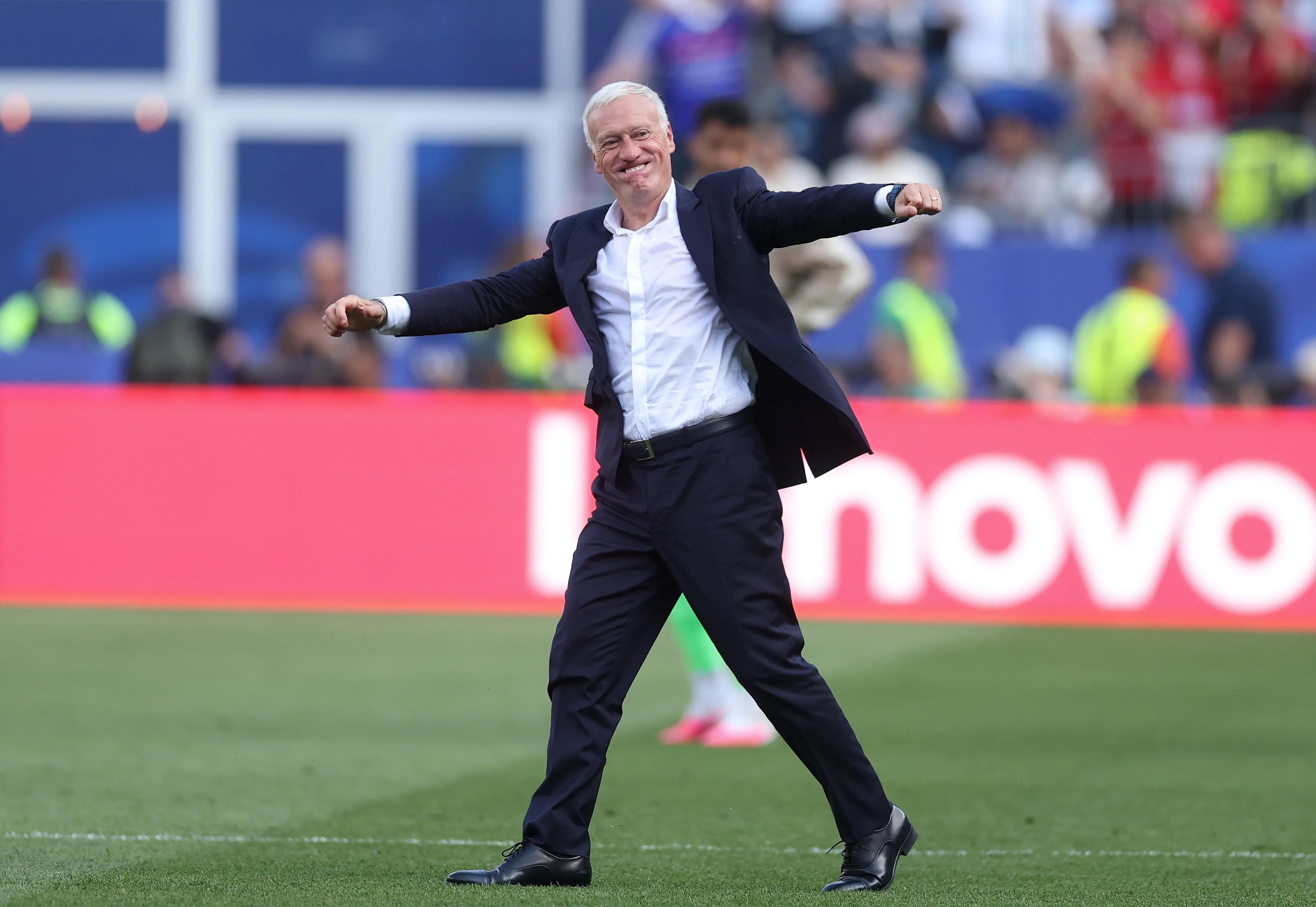
In the eye of the hurricane, there stands a man who has seen everything, survived everything, and emerged with a composure that borders on the supernatural. Didier Deschamps has been the embodiment of calm throughout the FIFA World Cup 2026, and that composure is not merely a personal characteristic — it is the defining trait of a team that has earned its place in the historic Top 4 Convergence. World No.1 Argentina, World No.2 France, World No.3 Spain, and World No.4 England have all reached the semi-finals for the first time since FIFA created its ranking system in 1992, and Deschamps' cool, collected approach provides the managerial dimension of this unprecedented alignment.
The France coach's methods have been refined over 14 years in charge of the national team, a tenure that has produced one World Cup triumph, two final appearances and now a third consecutive semi-final. His winning formula is deceptively simple: build a platform of defensive discipline, empower the team's attacking talents to express themselves within a structured framework, and trust in the collective to find a way through when individual brilliance alone is insufficient.
Against Morocco in the quarter-finals, this approach was on full display. France's opening goal came from a patient build-up that stretched the Moroccan defence before Michael Olise's intelligent movement created the space for Mbappe to score. The second goal was a product of the same composure: France retaining possession, waiting for the right moment to strike, and Dembele applying the finishing touch when the opportunity arose. At no point did Deschamps' team appear flustered or anxious, even when Morocco created chances of their own.
This composure under pressure is a hallmark of all four semi-finalists. Argentina's extra-time victories were built on a refusal to panic. Spain's late winners were products of a team that trusted in its ability to find a solution. England's comebacks reflected a collective belief that the next goal would come. Deschamps' composure is not passivity — it is the product of a team that knows its identity, trusts in its system and believes in its ability to deliver when the stakes are highest. The general does not flinch because he has already seen every battlefield, and his army follows without fear.