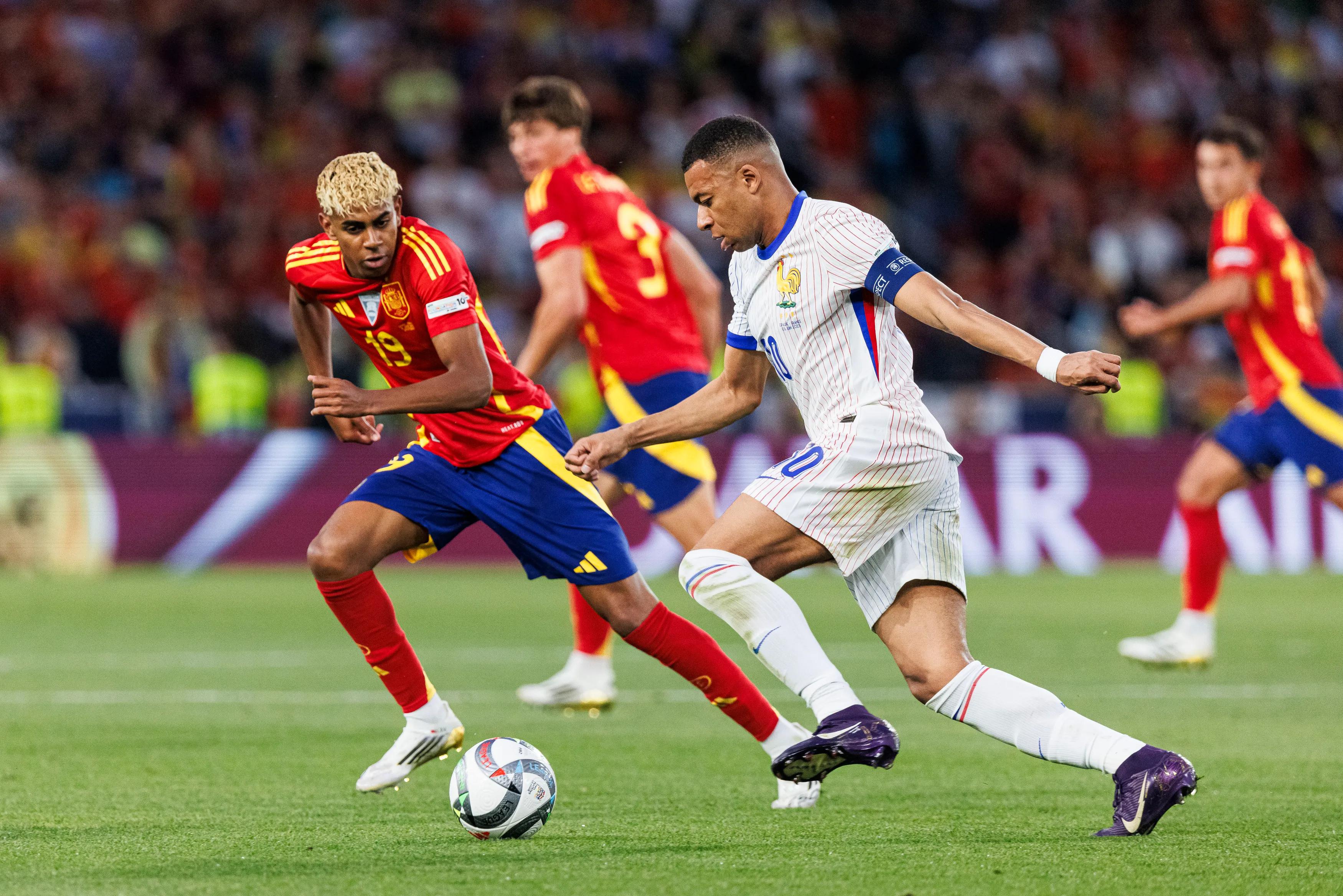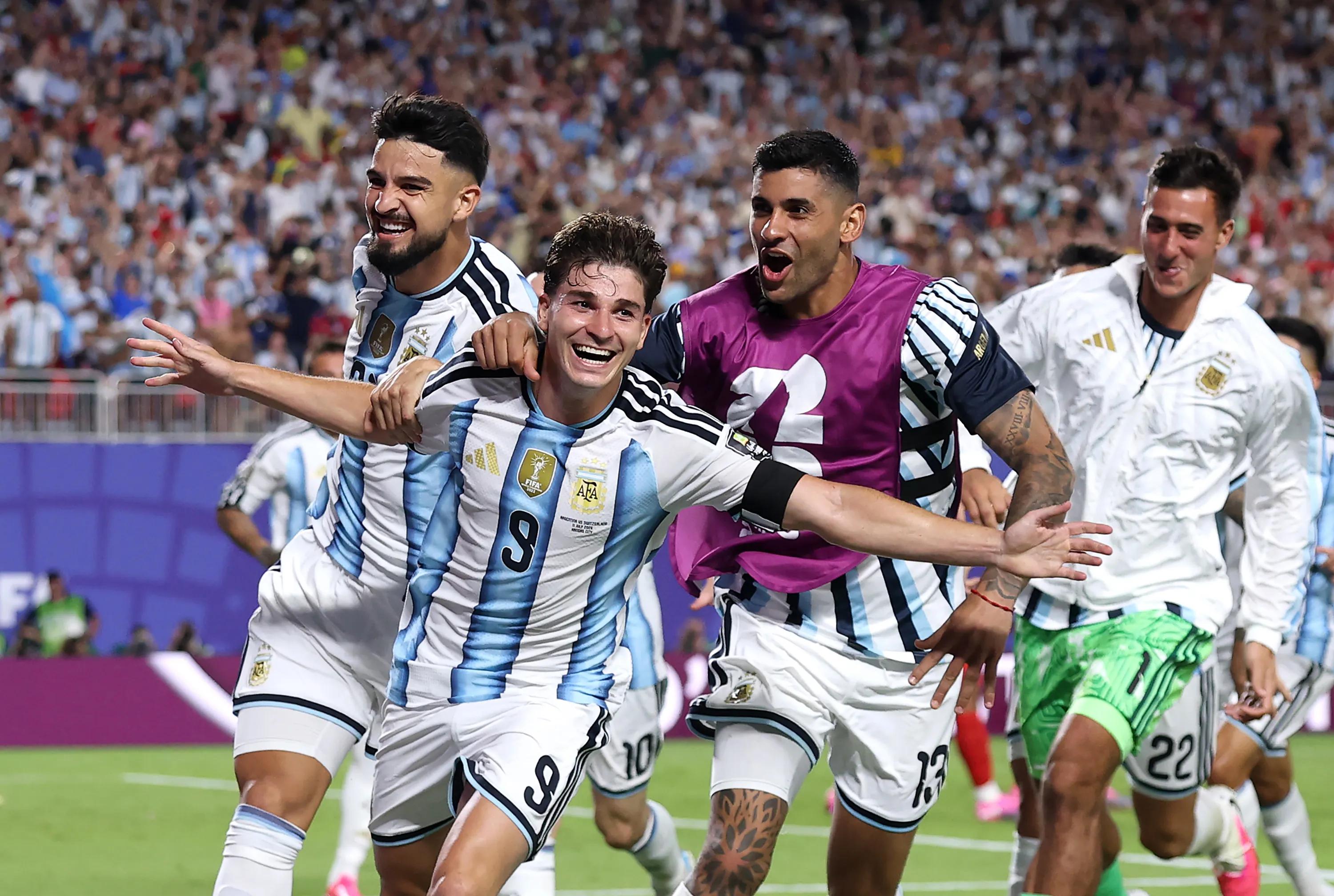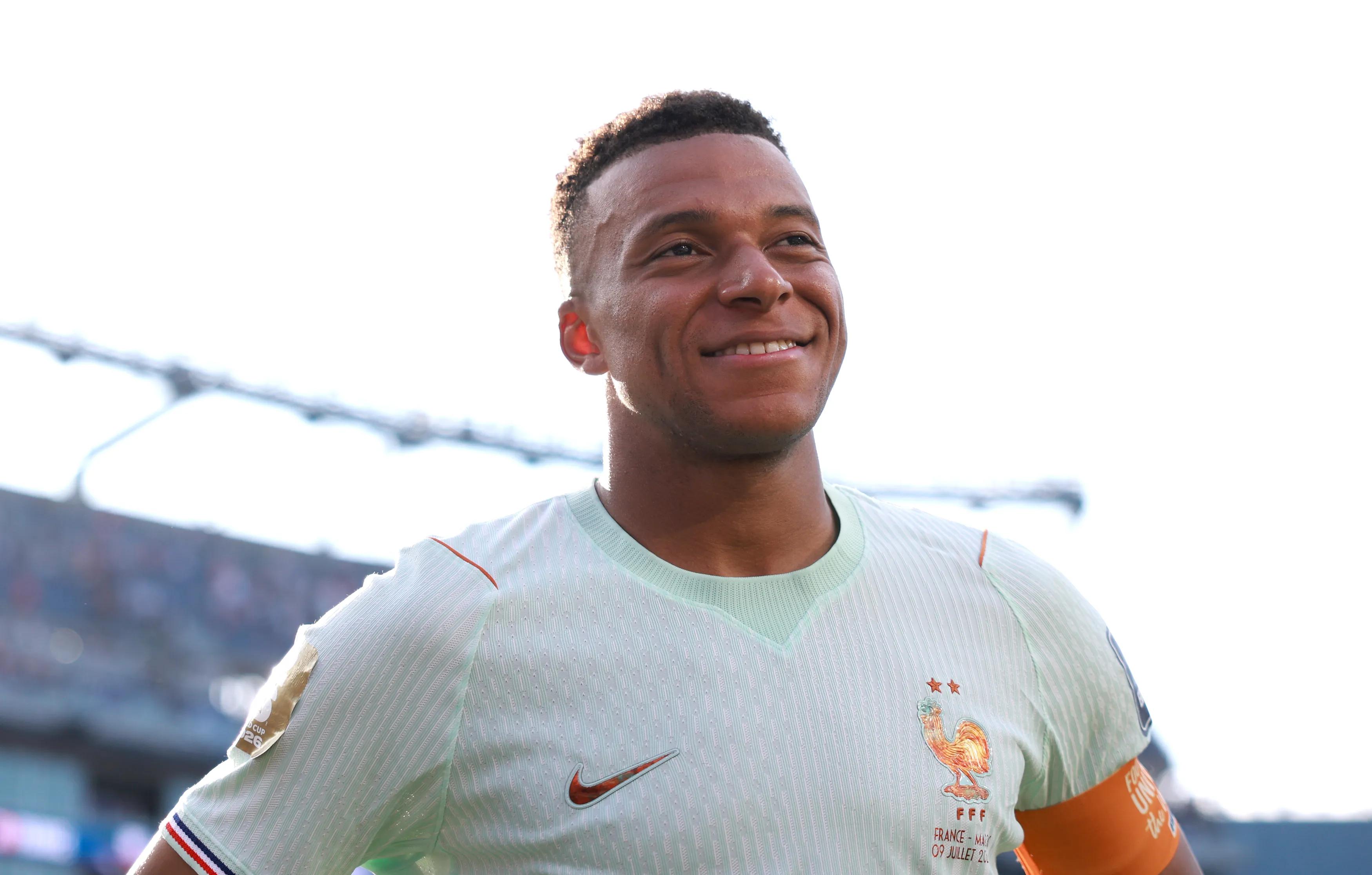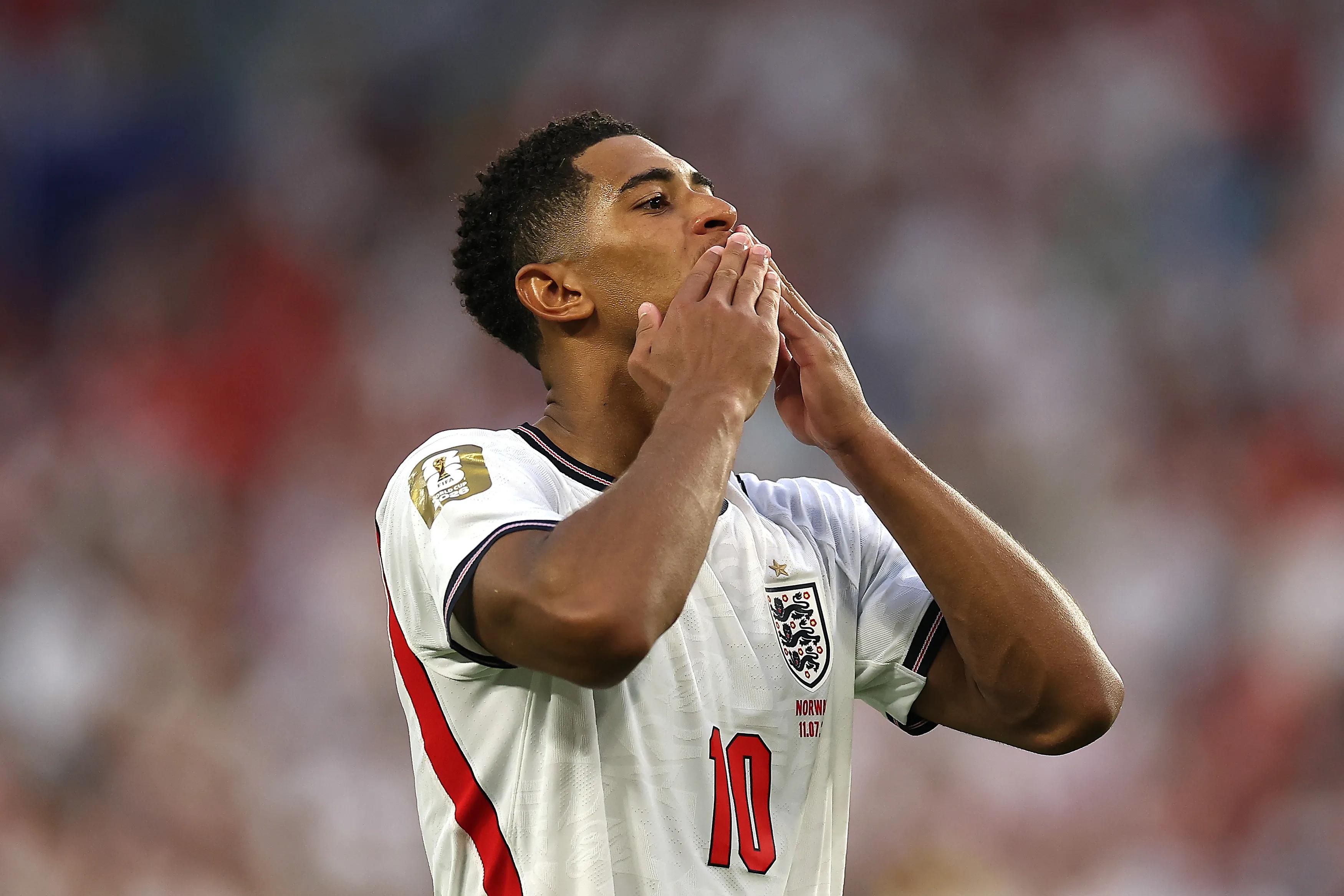
Numbers do not lie. They do not blink under pressure, they do not succumb to emotion, and they do not bend to narrative convenience. The fantasy football points from the FIFA World Cup 2026 provide a statistical mirror of the historic convergence that has defined this tournament: World No.1 Argentina, World No.2 France, World No.3 Spain, and World No.4 England have all reached the semi-finals for the first time since FIFA created its ranking system in 1992. The fantasy points accumulated by players from these four nations confirm what the semi-final line-up has already established — the rankings reflect genuine, measurable quality, and the best players in the tournament belong to the best teams.
Jude Bellingham's fantasy points haul reflects his extraordinary campaign: six goals in six matches, relentless pressing, match-winning performances and a consistent ability to deliver when England need him most. He has been the highest-scoring midfielder in the tournament, his points total placing him among the top three players overall. Julian Alvarez's fantasy returns tell the story of a tournament that began slowly but accelerated spectacularly — his extra-time goal against Switzerland worth bonus points for its significance and quality. Kylian Mbappe's fantasy dominance is almost boring in its consistency: eight goals supplemented by assists and bonus points for match-winning performances, making him the tournament's top-scoring forward by a considerable margin.
Spain's fantasy representation is more distributed, reflecting the collective nature of their success. Rodri's defensive points, Yamal's creativity metrics and Merino's super-sub bonuses all contribute to a team whose fantasy value matches their real-world performance. Every point represents a contribution that has propelled one of the elite four toward the summit of world football.
The fantasy points do not create the Top 4 Convergence — they confirm it. The best teams produce the best players, and the best players generate the most points. The correlation is perfect, the data is unambiguous, and the conclusion is inescapable: the numbers on the spreadsheet match the names on the semi-final bracket, and both tell the same story of dominance that no algorithm can dispute.