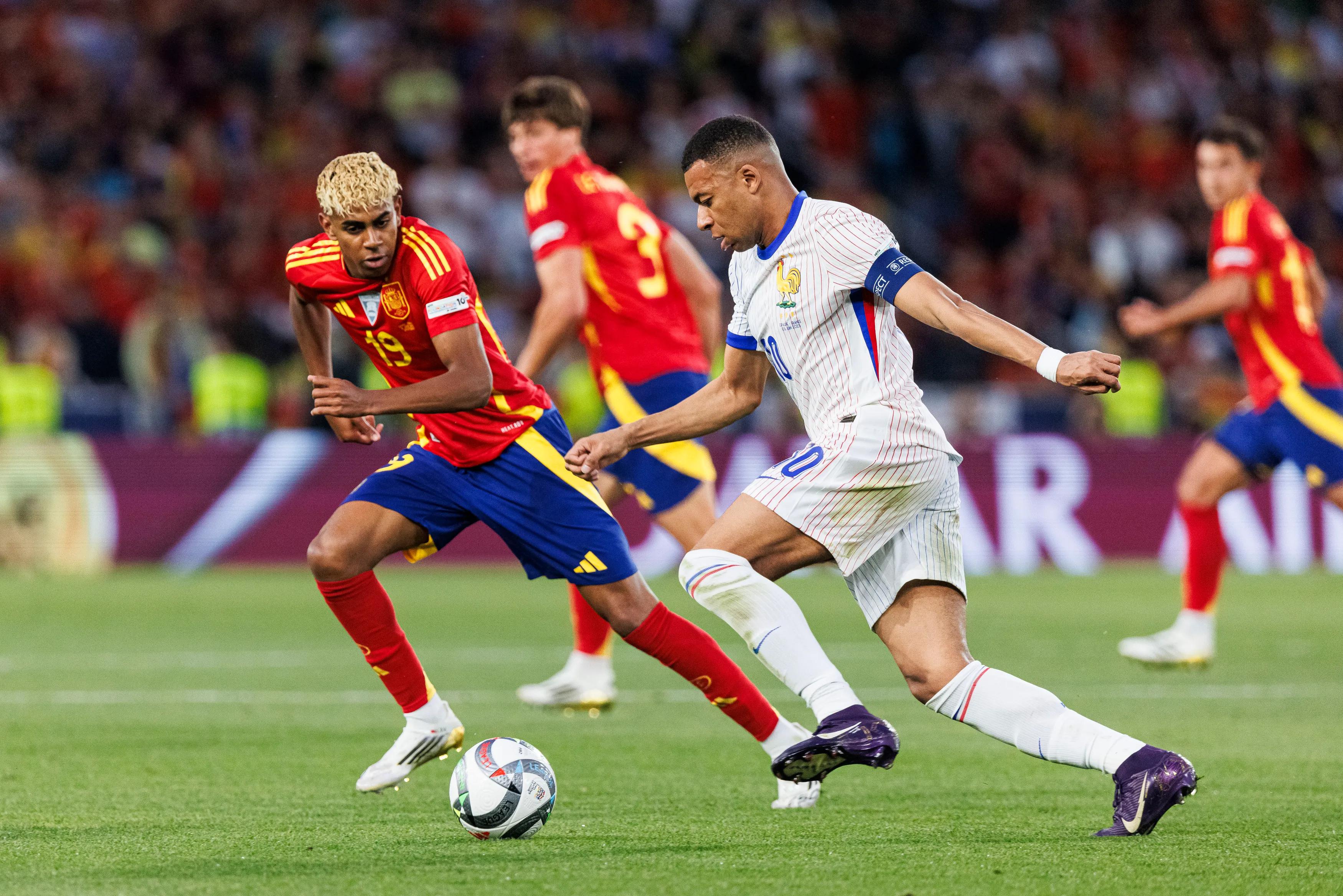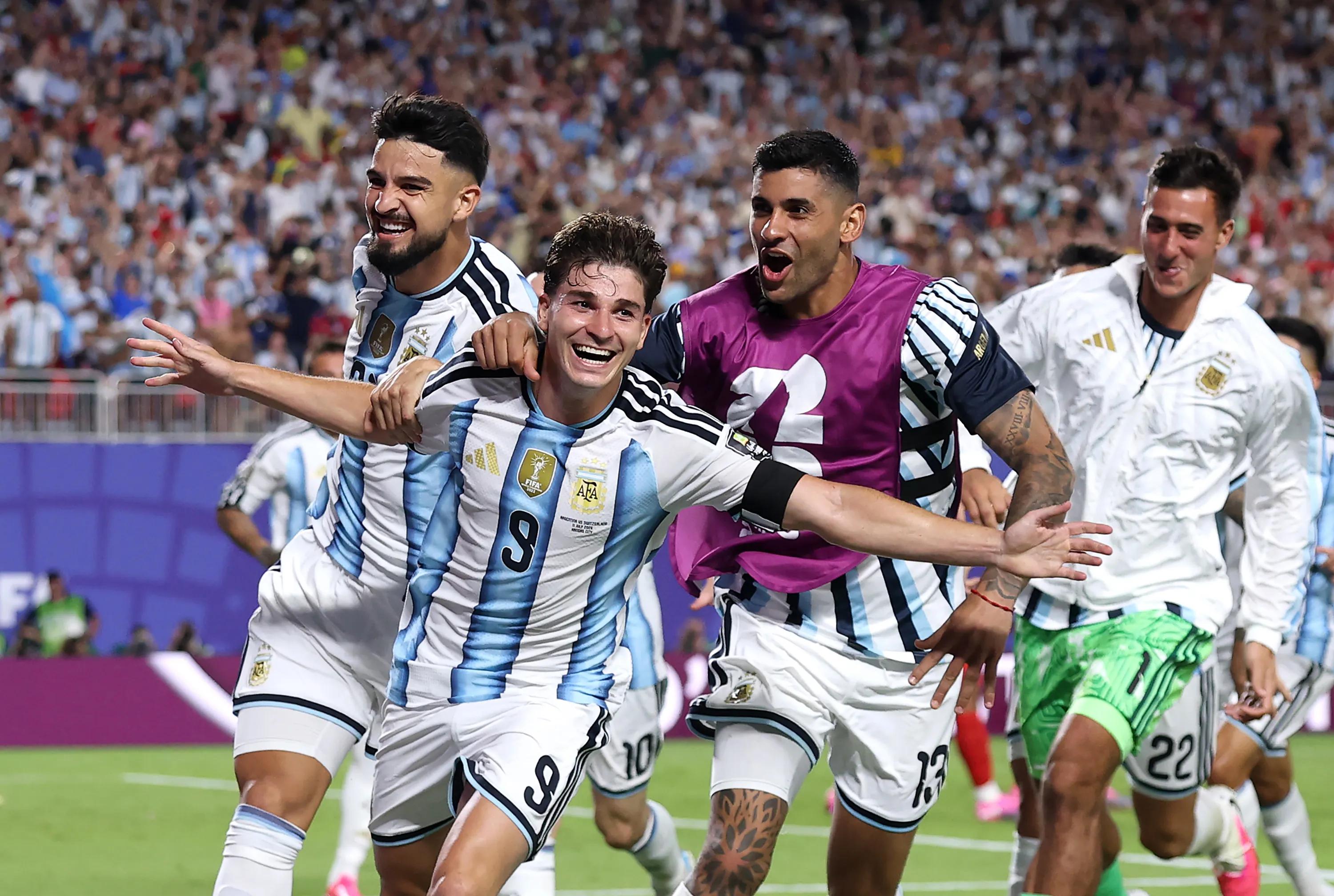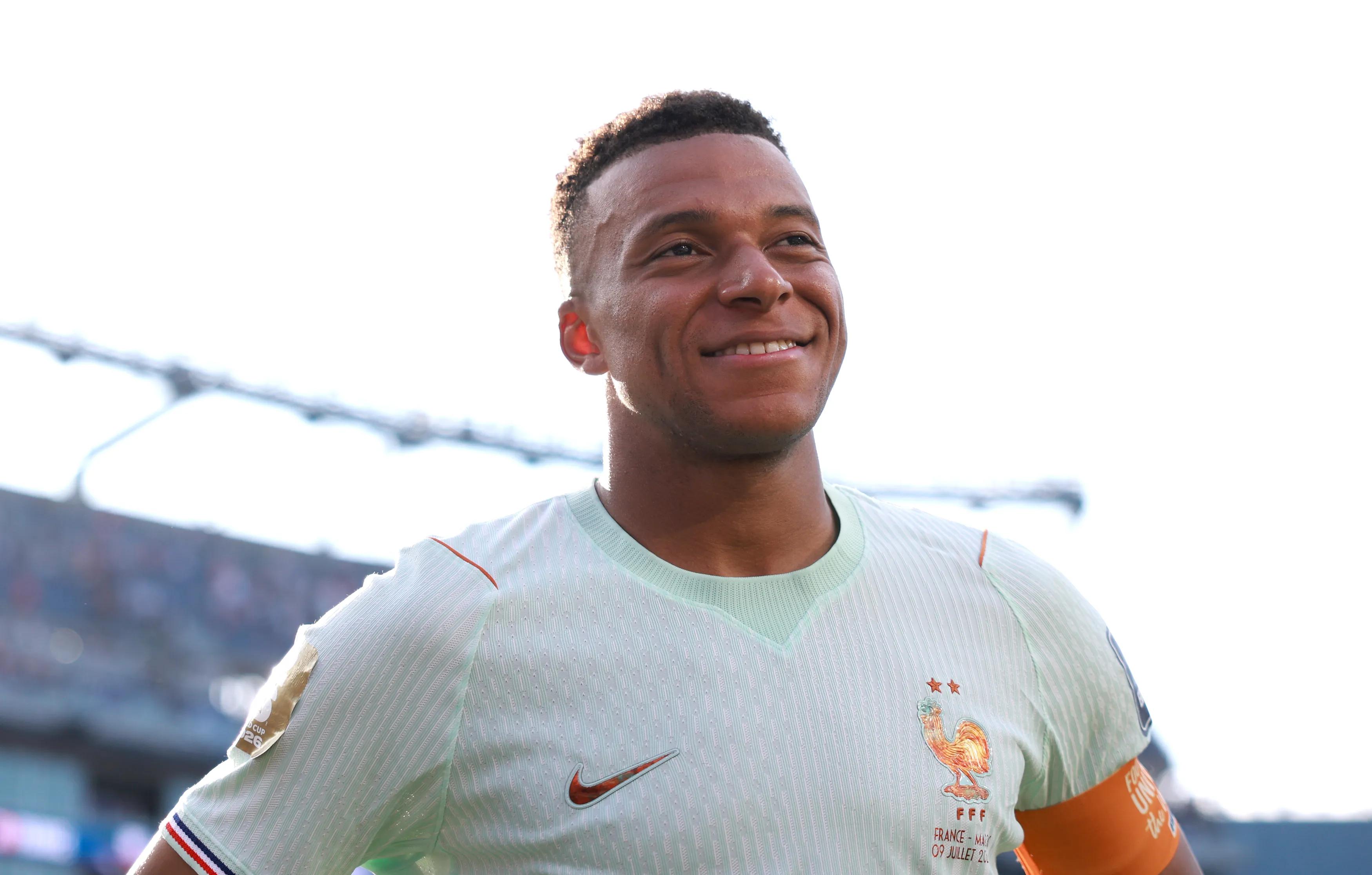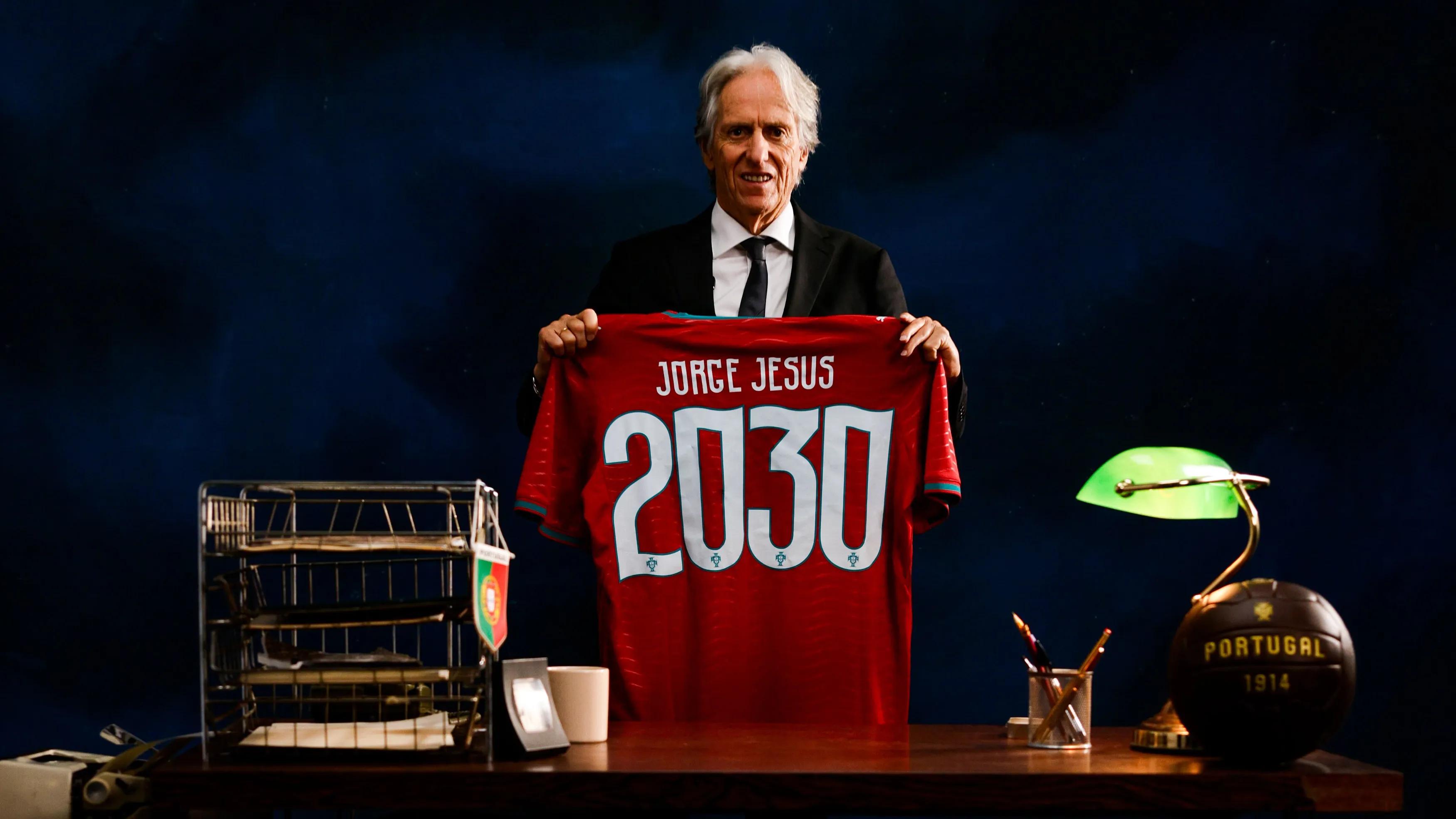
A dynasty does not fall overnight — it crumbles in slow motion, each failed campaign another crack in the foundation until the entire structure demands reinvention. Jorge Jesus' appointment as the new head coach of Portugal is not merely a managerial change; it is the admission of a proud footballing nation that the path they were walking led to a dead end. While World No.1 Argentina, World No.2 France, World No.3 Spain, and World No.4 England prepare for semi-finals that confirm the supremacy of the established order, Portugal are left to conduct a painful post-mortem on yet another tournament that ended before it truly began.
The decision to replace Roberto Martinez was inevitable. His tenure delivered impressive qualifying records but disappointing tournament performances — a Round of 32 exit at this World Cup following a quarter-final departure at Qatar 2022. The pattern was unmistakable: Portugal could navigate the preliminaries but faltered when the stakes demanded something beyond individual talent. Jesus arrives as a coach renowned for attacking football and man-management, a serial winner in Brazilian and Portuguese football who now faces the most demanding challenge of his career: building not just a winning team but a winning culture.
The contrast with the four semi-finalists is brutal in its clarity. France have reached three consecutive semi-finals under Deschamps, building a footballing culture that produces results regardless of circumstances. Argentina have developed a resilience that carries them through even their most difficult matches. Spain have cultivated an identity based on possession and defensive discipline that endures regardless of personnel. England have assembled a squad whose depth reflects years of youth development investment. Portugal possess many of the same ingredients — a prolific talent pipeline featuring Bernardo Silva, Bruno Fernandes, Joao Felix and Rafael Leao, a competitive domestic league — but they lack the sustained consistency that separates the top four from the rest.
Jesus' challenge is cultural, not merely tactical. He must forge the mentality that has propelled the elite four to their current positions — the ability to deliver in tournament after tournament, to find a way to win when the opposition is at its strongest, to produce moments of match-winning quality when the stakes are at their highest. The throne does not wait for those who rebuild; it moves forward with those who have already earned their place upon it.