The all-time World Cup victory table provides perhaps the most compelling statistical foundation for the historic convergence that has unfolded in North America. Brazil lead with 79 victories, Germany have 70, Argentina 53, and France 45. When you add England's and Spain's contributions, the picture becomes unmistakably clear: the nations that have won the most matches in World Cup history are the same nations that populate the top of the FIFA rankings. And now, for the first time since the ranking system was created in 1992 — a span of 32 years — the top four ranked teams have all reached the semi-finals simultaneously. The convergence is not accidental; it is the inevitable product of sustained competitive excellence measured over decades.
Argentina's 53 World Cup victories have been accumulated across 19 tournament appearances, a record that reflects the Albiceleste's status as one of the sport's perennial contenders. From their first triumph in 1930 through the Maradona-inspired campaigns of the 1980s and into the Messi era, Argentina have consistently found ways to win at the highest level. Their current World No. 1 ranking is not a recent development but the culmination of nearly a century of competitive excellence.
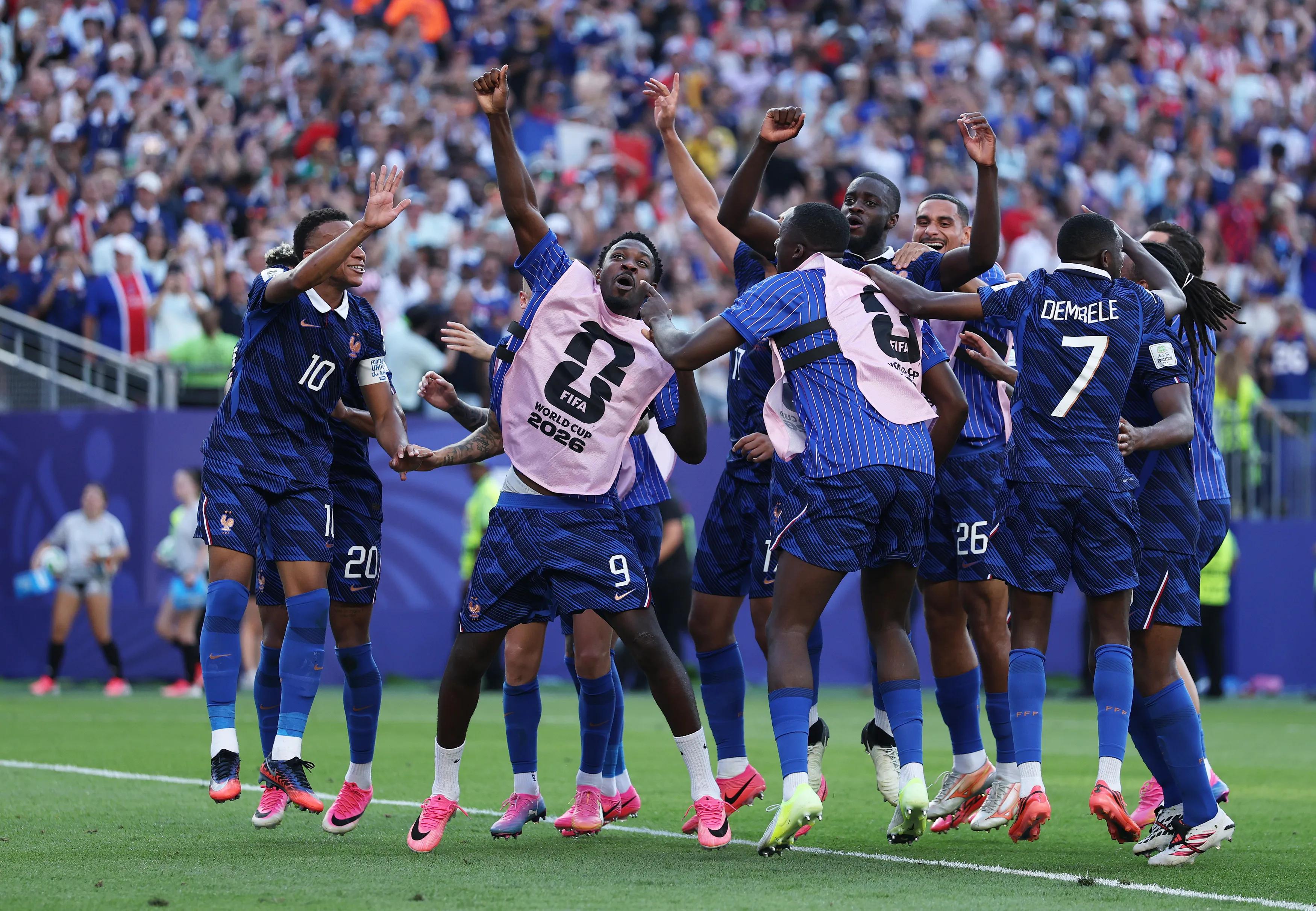
France's 45 victories tell a story of transformation, from underachievers to global superpowers — catalysed by the 1998 World Cup victory on home soil and sustained through two subsequent final appearances. Didier Deschamps has been at the heart of this transformation, first as the captain who lifted the trophy in 1998 and now as the coach who has guided France to three consecutive semi-finals. England and Spain, with their own substantial victory tallies, complete the quartet. Each victory accumulated over decades has contributed to the rankings that now stand vindicated by the semi-final line-up.
The correlation between all-time victory records and current rankings is remarkably strong for the nations that have maintained their competitive edge in the modern era. Only the most robust footballing cultures — those with the deepest talent pools, the most sophisticated coaching systems, and the strongest institutional frameworks — can sustain the level of performance required to remain at the top. Victory is not merely a result; it is a biography — and the biographies of these four nations have been written in triumph across a century of competition.